Kwaunobva
Mutupo

Moyo

Moyo · heart

Moyo, the heart, is a totem taken from part of an animal rather than a whole one, and the Wikipedia article on the Shona names it as the totem of the Rozvi dynasty. It is kept by the Akatakwa, Chirandu, Moyondizvo, Mugonderwa, Mukumbuzi, Mushoriwa, Muturikwa, Nematombo, Shayamombe, Sinyoro, Sithole, Wadyegora and Wakapiwa clans.

The Moyo poems keep coming back to cattle. Chirandu, Mugonderwa and Sithole praise their clans as Mushayachirashwa, and Moyondizvo as Ndambachirashwa, the ones who throw nothing away, and Chirandu spells out what the beast gives: milk to drink, fat to anoint with, meat to eat, hide for the drum, dung for the floors, the tail as a whisk and the horn as a gonamombe. Sithole calls Moyo the totem that lives in the cattle pen (mutupo uri mudanga). The same praise names run through most of the poems: Chirandu, Nhandare, Bvumavaranda, Sahayi and Gono.

Several place their clans among the Rozvi. Moyondizvo and Nematombo name Dzimbahwe, and Mukumbuzi and Wakapiwa, which share most of their lines, trace their people to Guruuswa and Tanganyika and call them Rozvi. Where the poems part is in the ancestors they name: Akatakwa is the child of Kuredzamuswe, Nematombo of Mugumu and Gumboremvura, Shayamombe of Murambwa, Wadyegora of Rusike. Sinyoro stands furthest apart. It tells of people in white cloth who came by water to trade in ndoro and brass and settled among the Njanja, and it calls Moyo the great totem kept at Dzimbahwe.


Dzimba dzeMoyo.

NeChiShona

Moyo mutupo unobva panhengo yemhuka, mwoyo, kwete pamhuka yose. Madetembo emadzinza aMoyo anotaura zvikuru nezvemombe: mukaka unonwiwa, mafuta anozorwa, nyama inodyiwa uye ndove inodzurisa dzimba. Mazhinji anodaidza vaMoyo kuti Chirandu, Sahayi, Nhandare naBvumavaranda. Mamwe anovaisa pakati peVaRozvi kuDzimbahwe, uye detembo reSinyoro rinotaura nezvevashambadzi vakauya nomumvura.

Nhoroondo

The Wikipedia article on the Shona counts the Rozvi of the Moyo totem among the major dynasties of the old Shona states, and gives the Rozvi state the name Moyo Ndizvo. It says the Ndebele destroyed Changamire's Rozvi state in the 1830s. Bourdillon's study The Shona Peoples records that the Rozvi Changamires held the south-west of the plateau until the Ndebele defeated them, and that in many chiefdoms that were not Rozvi, a member of the Rozvi clan still had to approve the installation of a new chief. A Shona dictionary gives Bvumavaranda and Mwoyondizvo as praise names of the Rozvi who keep Moyo.

Shona people (Wikipedia print), p. 1; Shona people (Wikipedia print), p. 3; The Shona Peoples: An Ethnography of the Contemporary Shona, With Special Reference to Their Religion, p. 34; The Shona Peoples: An Ethnography of the Contemporary Shona, With Special Reference to Their Religion, p. 138; Duramazwi reChiShona (monolingual Shona dictionary)

Mibvunzo.

Is Moyo the Rozvi totem?

Yes. The Wikipedia article on the Shona names the Rozvi dynasty as Moyo, and a Shona dictionary gives Bvumavaranda and Mwoyondizvo as praise names of the Rozvi who keep Moyo. The Moyondizvo, Mukumbuzi and Wakapiwa poems place their own clans among the Rozvi.

Is Moyo an animal totem?

No. Moyo is the heart, a part of an animal. The Wikipedia article on the Shona groups it with Gumbo, the leg, and Bepe, the lung, as totems taken from the body, and a study note on totems says the same of Moyo, Gumbo and Tsivo.

What are the Moyo praise names?

The names that recur across the Moyo poems are Chirandu, Sahayi, Nhandare, Bvumavaranda, Gono and Dhewa, and each clan adds its own, such as Moyondizvo, Sinyoro or Wadyegora. Women are greeted as MaMoyo or Vapamoyo, and a Shona dictionary adds Sena, a name that praises Moyo women for their beauty.

Which clans carry Moyo?

Moyo Akatakwa, Moyo Chirandu, Moyo Moyondizvo, Moyo Mugonderwa, Moyo Mukumbuzi, Moyo Mushoriwa, Moyo Muturikwa, Moyo Nematombo, Moyo Shayamombe, Moyo Sinyoro, Moyo Sithole, Moyo Wadyegora, Moyo Wakapiwa.

Can two people of the Moyo totem marry?

Traditionally, people of the same mutupo and chidawo do not marry: they are counted as one family. Between different Moyo clans some families allow it, often after a ceremony that cuts the kinship (kucheka ukama).

Mutupo wako

Sarudza mutupo wako.

Pick your totem and clan once. The app greets you by your praise name after that.

Apps from the team behind Kwaunobva

Made in Zimbabwe by Invalcre (Pvt) Limited. Free, and they work offline.

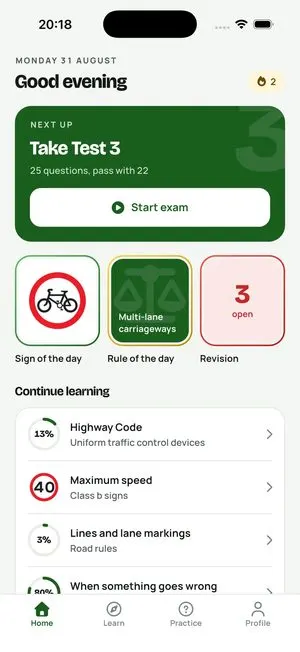
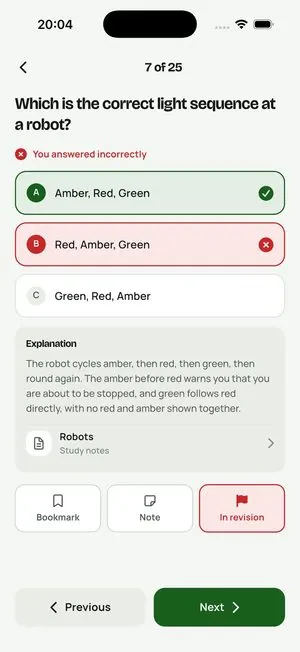
Provisional Test Zimbabwe app iconProvisional Test ZimbabweZimbabwe VID test and Highway Code

Pass your Zimbabwe provisional driving test.

  • Every question of this year's papers, with the reason each answer is right
  • A readiness score that moves as you sit papers, so you know when to book
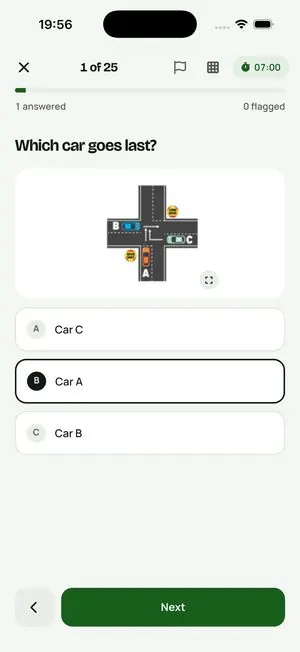
Provisional app: a timed test question asking which car at a junction goes last
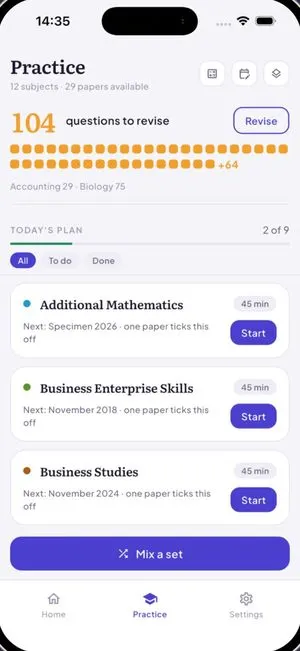
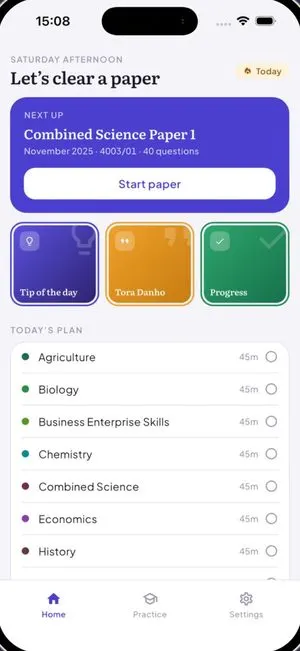
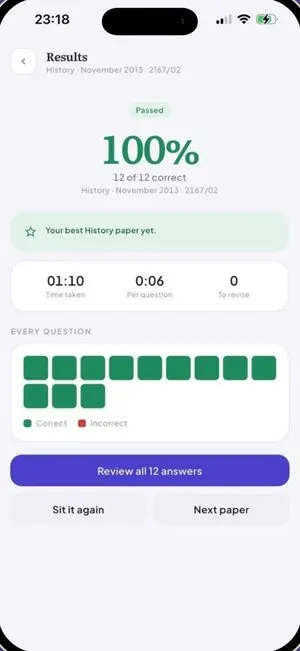
Danho app iconDanhoZIMSEC O and A Level past papers

Every ZIMSEC past paper, offline, on your phone.

  • Works fully offline once a subject is downloaded
  • Progress tracked paper by paper, not just a percentage
Danho app: today's revision plan, with the questions left to revise and a paper to start per subject
Bhaibheri app iconBhaibheriThe Shona Bible and its hymnals

The Shona Bible. Every hymn your church sings. Free.

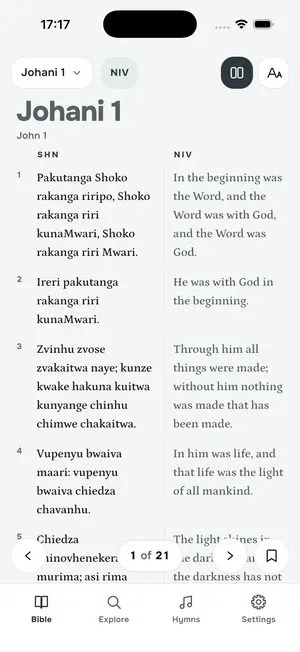
  • Two versions side by side, verse for verse
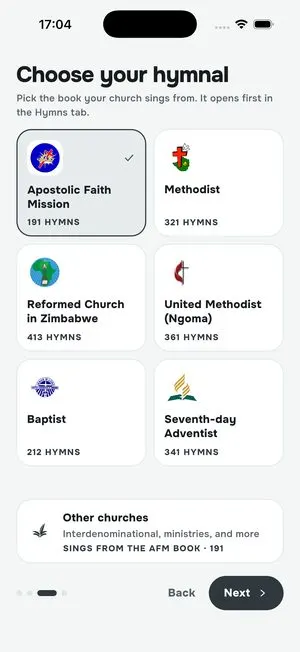
  • AFM, Methodist, RCZ, UMC, Baptist and SDA hymnals
Bhaibheri app: choosing a church hymnal, from Apostolic Faith Mission to Seventh-day Adventist
Denhe app iconDenheZimbabwe's public record

The record of what Zimbabwe publishes.

  • Take-home pay, ZESA units and mobile money charges worked out
  • Every school, university and bank, a page each
Denhe: the PAYE calculator working out take-home pay from a monthly salary