Kwaunobva
Mitupo

Moyo Sinyoro

Moyo · Heart

Moyo Sinyoro is a Shona clan of the Moyo totem, the heart. Its men are greeted as Sinyoro and Moyo Munjanja, and the detembo adds Muroro and VaSena; its women are greeted as Chinjanja, Vapamoyo or MaMoyo. The poem tells of forebears who came by water as traders and brought chieftainship with them.

Mazita okurumbidza
DzinzaMoyo
VarumeMoyo Munjanja · Moyo Sinyoro
VakadziChinjanja · Vapamoyo · Mamoyo

Detembo raMoyo Sinyoro.

Maita Sinyoro, Zvaitwa Muroro, Vagari vamachira, VaZungu vamachira machena,

Vakauya nomumvura Kuzoshambadza ndoro nendarira. Kuziva zvenyu vashambadzi, Maita vezviuya zvinenge mukaka,

Unodyiwa nevasina meno. Tatenda vadyi vamazai, Vamupfura magidi,

Nguo takasuka kare, Vaeni vakauya vakatakura umambo, Vanodya maroro vakatambarara,

Vadyi vendatsva namashongadede, Vadyi venzungu, Vakaisa imbwa mudura,

Vachiti imbudzi isina nyanga Vabvakure, VaChitsvachirimurutsoka, VaUsuunjenjema,

Vagere Zvinjanja, Vene vepasi, Vanofamba vari padara.

Vazukuru veshiri. Ziendanomudenga Vane hama dzakaperera Chirozva Mazviita VaSena ,maita Moyo, Mutupo mukuru waierwa Dzimbahwe,

Nyama inyoro mutupo usina mupatsa , VaChumachitete,chikobvuchinobanduka Aiwa zvaitwa munjanja Wakaroka

Govera

Govera mutupo wako.

Your mutupo and its detembo as an image for WhatsApp, your status or a post, carrying the Kwaunobva mark.

Mutupo uyu.

The Sinyoro detembo tells how the clan came. It calls its forebears VaZungu of white cloth (vamachira machena) who came by water to trade in ndoro and brass (ndarira), guests from afar who arrived carrying chieftainship (vaeni vakauya vakatakura umambo). It says they settled at Zvinjanja and became owners of the land, and it ends by greeting the clan as muNjanja.

Much of the poem is about the way they lived: eaters of eggs, eating maroro fruit at their ease, shooters of guns (vamupfuramagidi). It calls them grandchildren of the bird that travels by the sky, and relatives whose kin ended at Chirozva, and it names Moyo 'mutupo mukuru waierwa Dzimbahwe', the great totem that was honoured at Dzimbahwe.

Those who carry a totem do not eat its animal. Some families keep away from one part of it only, such as the heart, and the old belief holds that a person who breaks the rule loses their teeth.

The praise names are for every day, not only for ceremonies: a person is greeted by them, thanked with them, and a wife praises her husband with his.

NeChiShona

Moyo Sinyoro mutupo weMoyo. Varume vanokudzwa seSinyoro naMoyo Munjanja, vakadzi seChinjanja, Vapamoyo naMaMoyo. Detembo ravo rinoti madzitateguru avo vakauya nomumvura kuzoshambadza ndoro nendarira, vaeni vakauya vakatakura umambo. Rinoti vakagara kuZvinjanja vakava vene vepasi. Rinoti Moyo mutupo mukuru waierwa Dzimbahwe.

Nhoroondo

The detembo says the clan's forebears came by water as traders in ndoro and brass, guests who arrived carrying chieftainship, and that they settled at Zvinjanja and became owners of the land; it greets the clan as muNjanja and names Chirozva and the vaSena. The Wikipedia article on the Shona lists the Njanja among the Zezuru group of Shona dialects.

Mitupo: A Collection of Some of Zimbabwe's Totems, p. 37; Shona people (Wikipedia print), p. 2

Mibvunzo.

Is Moyo Sinyoro a Njanja clan?

The detembo says so. It places the clan at Zvinjanja, calls it the owners of the land, and ends by greeting it as muNjanja; men are also greeted as Moyo Munjanja and women as Chinjanja. The Wikipedia article on the Shona lists the Njanja among the Zezuru.

Did the Sinyoro forebears come from overseas?

The detembo says they were VaZungu of white cloth who came by water to trade in ndoro and brass, and arrived carrying chieftainship. It names no country, and none of the sources here does either.

What are the Moyo Sinyoro praise names?

Men are greeted as Sinyoro and Moyo Munjanja, and the detembo also calls the clan Muroro, VaSena, Vabvakure and VaChumachitete. Women are greeted as Chinjanja, Vapamoyo or MaMoyo.

Where is Moyo Sinyoro commonly found?

In Buhera, Chikomba and Hwedza, though families carrying it live all over Zimbabwe and beyond.

Can two people of the Moyo totem marry?

Traditionally, people of the same mutupo and chidawo do not marry: they are counted as one family. Between different Moyo clans some families allow it, often after a ceremony that cuts the kinship (kucheka ukama).

Mutupo wako

Sarudza mutupo wako.

Pick your totem and clan once. The app greets you by your praise name after that.

Apps from the team behind Kwaunobva

Made in Zimbabwe by Invalcre (Pvt) Limited. Free, and they work offline.

Provisional Test Zimbabwe app iconProvisional Test ZimbabweZimbabwe VID test and Highway Code
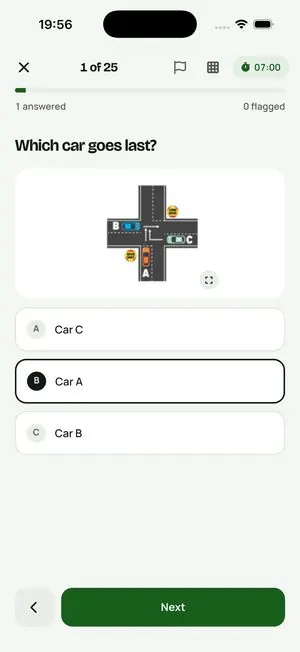

Pass your Zimbabwe provisional driving test.

  • Every question of this year's papers, with the reason each answer is right
  • A readiness score that moves as you sit papers, so you know when to book
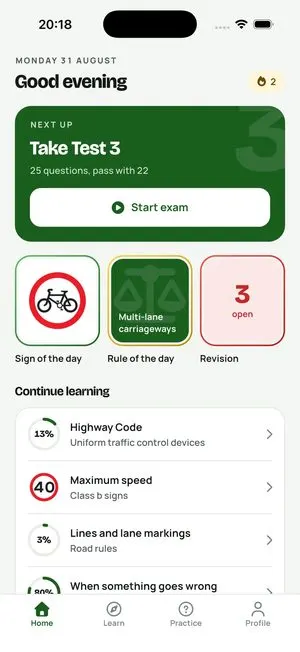
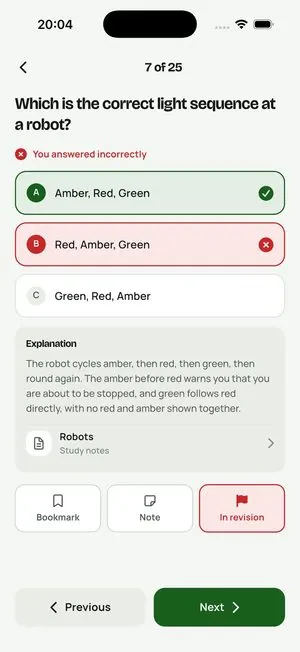
Provisional app: a timed test question asking which car at a junction goes last
Danho app iconDanhoZIMSEC O and A Level past papers

Every ZIMSEC past paper, offline, on your phone.

  • Works fully offline once a subject is downloaded
  • Progress tracked paper by paper, not just a percentage
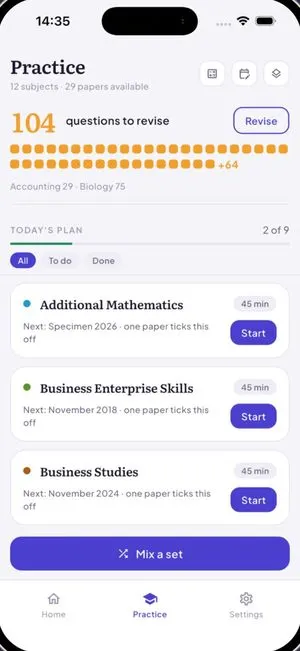
Danho app: today's revision plan, with the questions left to revise and a paper to start per subject
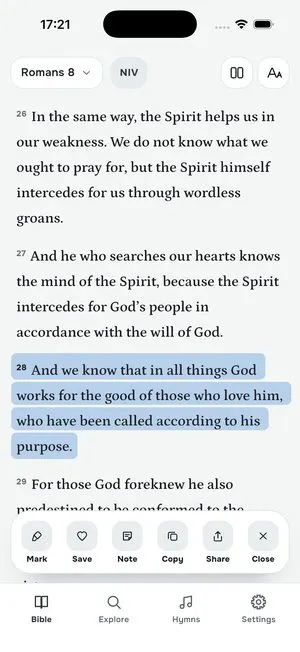
Bhaibheri app iconBhaibheriThe Shona Bible and its hymnals

The Shona Bible. Every hymn your church sings. Free.

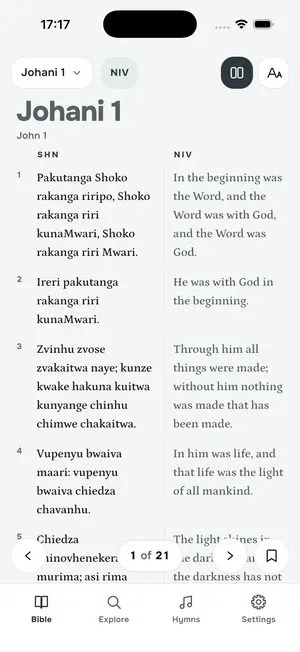
  • Two versions side by side, verse for verse
  • AFM, Methodist, RCZ, UMC, Baptist and SDA hymnals
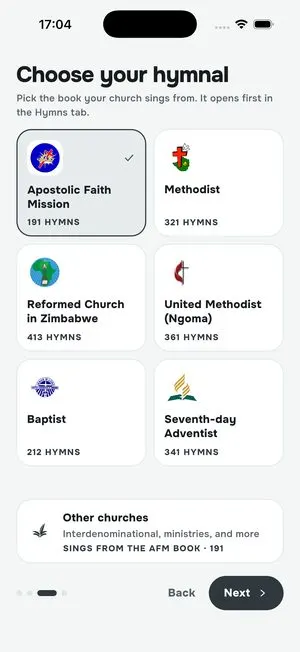
Bhaibheri app: choosing a church hymnal, from Apostolic Faith Mission to Seventh-day Adventist
Denhe app iconDenheZimbabwe's public record

The record of what Zimbabwe publishes.

  • Take-home pay, ZESA units and mobile money charges worked out
  • Every school, university and bank, a page each
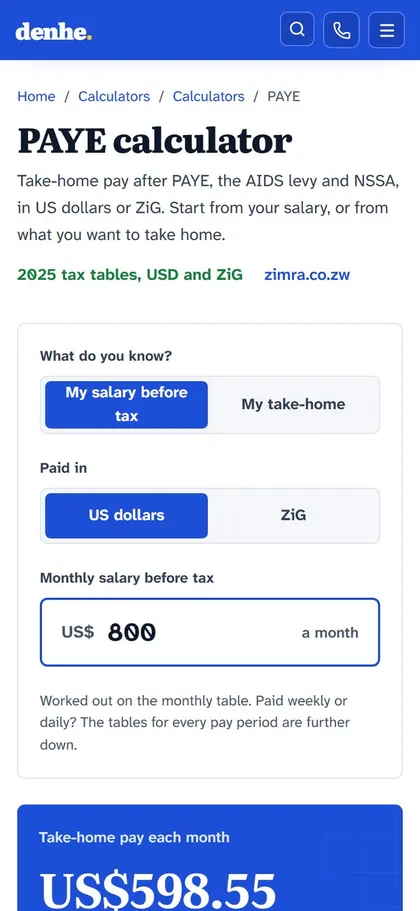
Denhe: the PAYE calculator working out take-home pay from a monthly salary

Share this mutupo

Every share carries the Kwaunobva mark and a link back.