Kwaunobva
Mitupo

Moyo Chirandu

Moyo · Heart

Moyo Chirandu is a Shona clan of the Moyo totem, the heart. Its men are greeted as Chirandu, and the detembo also calls them Gonoren'ombe, Sahi, Dhewa and Bvumavaranda; its women are greeted as MaMoyo or Vapamoyo. The clan's praise is built around cattle, every part of which it puts to use.

Mazita okurumbidza
DzinzaMoyo
VarumeChirandu
VakadziMaMoyo · MaMoyo · Vapamoyo

Detembo raMoyo Chirandu.

Mazviita Moyo, Maita Chirandu, Gonoren'ombe, Mushayachirashwa, Mukaka tinomwa,

Mafuta tichizora, Nyama tinodya, Ganda tichikakise ngoma, Ndove tinodzurisa mudzimba, Muswe tinopumhisa, Nyanga tichiita gonan'ombe. Maita Chirandu, Maita Moyo, Maita Sahi, Maita dhewa rangu. Maita Bvumavaranda, Gono raMutindi naGochedza, Vari Maronga. Maita vana vaPfupajena, Vari muDuma neChidumana. Maita vari Dikitiki, Vari Ushava,

Mushenjere wavaDuma usina pakaminama, Pakaminama tinoorora. Mhuri inobva Mandara, VaMareranherera vanorera nedzavamwe, Ndikafira pano wani, Kudai kuenda ndichidzoka zvinoita huyo, Chinondiona sechina meso, Navaripowo namangwana musanyara.

Govera

Govera mutupo wako.

Your mutupo and its detembo as an image for WhatsApp, your status or a post, carrying the Kwaunobva mark.

Mutupo uyu.

The Chirandu detembo opens by calling the clan Gonoren'ombe, the bull of the herd, and Mushayachirashwa, the one with nothing to throw away. Then it shows what that means, going through the beast part by part: the milk is drunk, the fat is smeared on, the meat is eaten, the hide is stretched over drums, the dung is spread on the floors of the houses, the tail is put to use, and the horns are made into a gona, a horn for medicine.

The second half greets the clan by name and place. It is Bvumavaranda and the bull of Mutindi and Gochedza, at Maronga; the children of Pfupajena, at Duma and Chidumana; those at Dikitiki and Ushava. It says the family comes from Mandara, and praises the clan as VaMareranherera, those who raise orphans and bring up other people's children with their own.

Those who carry a totem do not eat its animal. Some families keep away from one part of it only, such as the heart, and the old belief holds that a person who breaks the rule loses their teeth.

The praise names are for every day, not only for ceremonies: a person is greeted by them, thanked with them, and a wife praises her husband with his.

NeChiShona

Moyo Chirandu mutupo weMoyo. Varume vanokudzwa seChirandu, Gonoren'ombe, Sahi, Dhewa naBvumavaranda, vakadzi seMaMoyo naVapamoyo. Detembo ravo rinorondedzera kuti mombe yose inoshandiswa: mukaka unonwiwa, ganda rinokakiswa ngoma, nyanga dzinoitwa gona. Rinoti mhuri inobva Mandara, uye rinovakwazisa vari muDuma neChidumana. Rinovarumbidza seVaMareranherera, vanorera nherera nevana vevamwe.

Nhoroondo

The detembo greets the clan among the Duma, at Duma and Chidumana, as the children of Pfupajena, and says the family comes from Mandara. The Wikipedia article on the Shona lists the Duma among the Karanga group of Shona dialects.

Mitupo: A Collection of Some of Zimbabwe's Totems, p. 29; Shona people (Wikipedia print), p. 2

Mibvunzo.

What are the Moyo Chirandu praise names?

Men are greeted as Chirandu, and the detembo also calls the clan Gonoren'ombe, Mushayachirashwa, Sahi, Dhewa and Bvumavaranda. Women are greeted as MaMoyo or Vapamoyo.

What does Mushayachirashwa mean?

The one with nothing to throw away. The Chirandu detembo explains it with cattle: the milk, fat, meat, hide, dung, tail and horns all have a use.

What does VaMareranherera mean?

Those who raise orphans. The Chirandu detembo praises the clan this way and adds that they bring up other people's children with their own.

Where is Moyo Chirandu commonly found?

In Bikita and Buhera, though families carrying it live all over Zimbabwe and beyond.

Can two people of the Moyo totem marry?

Traditionally, people of the same mutupo and chidawo do not marry: they are counted as one family. Between different Moyo clans some families allow it, often after a ceremony that cuts the kinship (kucheka ukama).

Mutupo wako

Sarudza mutupo wako.

Pick your totem and clan once. The app greets you by your praise name after that.

Apps from the team behind Kwaunobva

Made in Zimbabwe by Invalcre (Pvt) Limited. Free, and they work offline.

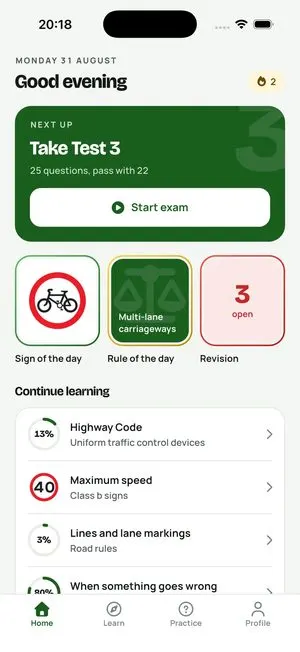
Provisional Test Zimbabwe app iconProvisional Test ZimbabweZimbabwe VID test and Highway Code
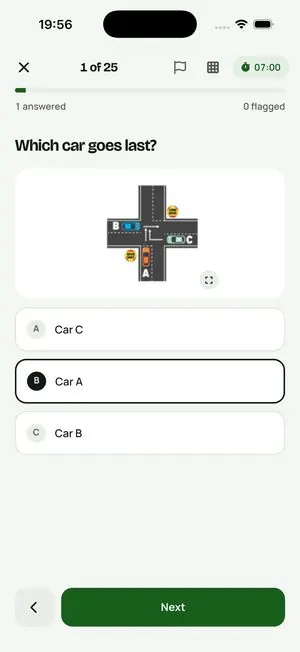

Pass your Zimbabwe provisional driving test.

  • Every question of this year's papers, with the reason each answer is right
  • A readiness score that moves as you sit papers, so you know when to book
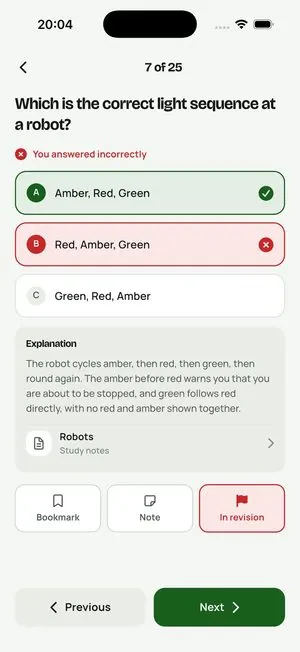
Provisional app: a timed test question asking which car at a junction goes last
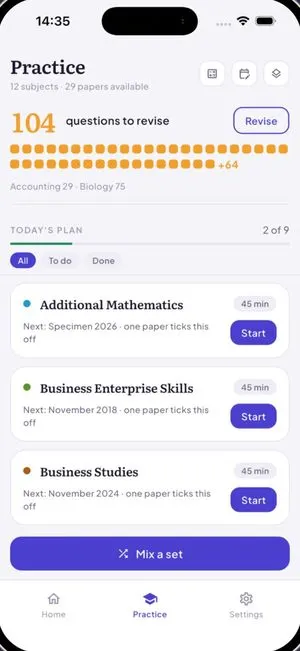
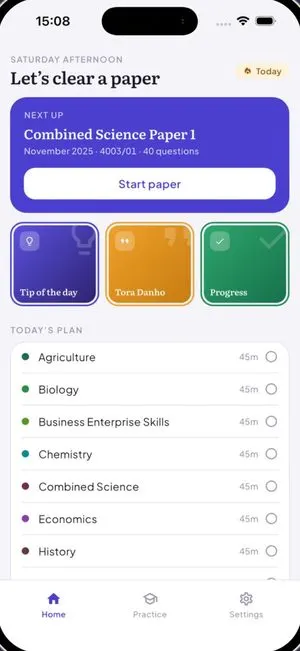
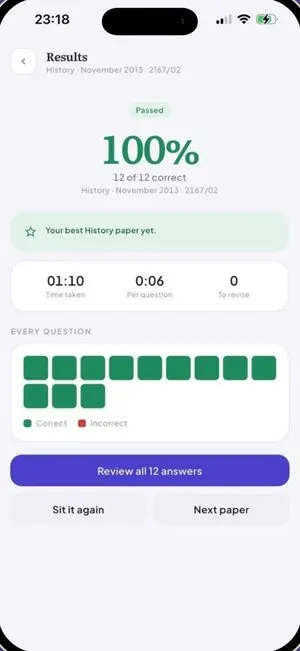
Danho app iconDanhoZIMSEC O and A Level past papers

Every ZIMSEC past paper, offline, on your phone.

  • Works fully offline once a subject is downloaded
  • Progress tracked paper by paper, not just a percentage
Danho app: today's revision plan, with the questions left to revise and a paper to start per subject
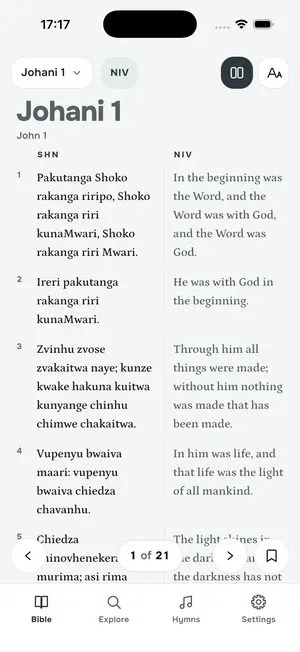
Bhaibheri app iconBhaibheriThe Shona Bible and its hymnals

The Shona Bible. Every hymn your church sings. Free.

  • Two versions side by side, verse for verse
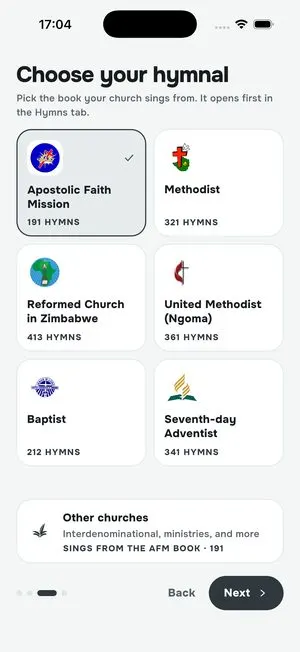
  • AFM, Methodist, RCZ, UMC, Baptist and SDA hymnals
Bhaibheri app: choosing a church hymnal, from Apostolic Faith Mission to Seventh-day Adventist
Denhe app iconDenheZimbabwe's public record

The record of what Zimbabwe publishes.

  • Take-home pay, ZESA units and mobile money charges worked out
  • Every school, university and bank, a page each
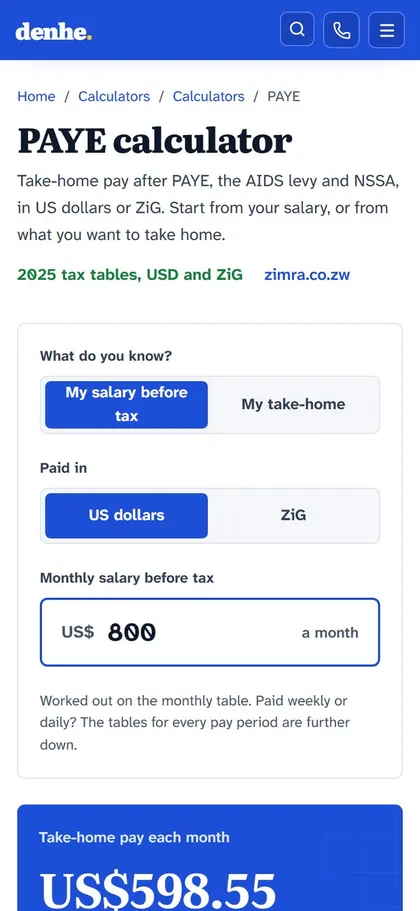
Denhe: the PAYE calculator working out take-home pay from a monthly salary

Share this mutupo

Every share carries the Kwaunobva mark and a link back.