Kwaunobva
Mitupo

Shumba Nyamuzihwa

Shumba · Lion

Shumba Nyamuzihwa is a Shona clan of the lion totem, Shumba. Its men are greeted as Nyamuzihwa and Shumba, and its women as Masibanda. The detembo also calls the clan Hara, Muchori, Nonga, Chikanda and Chiurayi, and names it the child of Mukombwe and Nehoreka.

Mazita okurumbidza
DzinzaVaera Shumba
VarumeNyamuzihwa · Shumba
VakadziMasibanda

Detembo raShumba Nyamuzihwa.

Maita Nyamuzihwa, Shumba, Hara, maita Muchori. Maita waNanga wasina mhezi,

Wakabva Buja nembondwe. Maita Nechinanga, muzukuru waChakoreka. Ewo Bonga, waChingate,

Muzukuru waMapahwe, wari Choma, Ewoyi Shumba, maita Hara. Maita Nonga rangu riri,

Maita Nyamuzihwa, maita wari Mangadza. Maita wari Dombojawa rina mawara machena, Dombo rakaramba kumera uswa nemiti,

Rinoti kukwira munokwira namabvi, Rina makwapamakwapa anenge nzira. Maita zvenyu Shumba,

Chikanda changu chichi, Maita waTsuri wamasawara. Kana musipo hapana chinochekwa.

Maita Chiurayi, hekani Chikanda, Mwana waMukombwe naNehoreka, Chipfuyawarombo, Hekani waNjapa,

Maita Mutumbe, Donga, wari Man'anja, Samanyara, Zvaitwa Kondovha asingachariki mvura,

Mwana waChinyanga, asingaje imwe mbeu, Kusiya kwezviyo chete. Maita wari Tsatsa Mukonde,

Aiwa zvaonekwa Nyamuzihwa, Tikafira pano wani.

Govera

Govera mutupo wako.

Your mutupo and its detembo as an image for WhatsApp, your status or a post, carrying the Kwaunobva mark.

Mutupo uyu.

The Nyamuzihwa detembo is a poem of descent. It says the clan came from Buja with the mbondwe (wakabva Buja nembondwe), calls it the grandchild of Chakoreka and of Mapahwe, the child of Mukombwe and Nehoreka, and the child of Chinyanga, who takes no other seed but finger millet (asingaje imwe mbeu, kusiya kwezviyo chete). Along the way it greets the clan at Choma, Mangadza, Man'anja and Tsatsa, and as Nechinanga, Bonga, Mutumbe, Donga and Samanyara.

Its one long picture is of Dombojawa, a rock with white patches that grass and trees refused to grow on, which a climber must go up on their knees, its clefts running like paths. Hara, the name the poem pairs with Shumba in its second line, is Duramazwi's word for a beast that can wound or kill, and Chiurayi is a Shumba name for the lion's constant hunting.

Those who carry a totem do not eat its animal. Some families keep away from one part of it only, such as the heart, and the old belief holds that a person who breaks the rule loses their teeth.

The praise names are for every day, not only for ceremonies: a person is greeted by them, thanked with them, and a wife praises her husband with his.

NeChiShona

Shumba Nyamuzihwa mutupo weShumba. Varume vanokudzwa seNyamuzihwa naShumba, vakadzi seMasibanda. Detembo ravo rinoti vakabva Buja nembondwe, rinovati mwana waMukombwe naNehoreka. Rinorumbidza Dombojawa, dombo rina mawara machena rakaramba kumera uswa nemiti. Rinovadaidzawo kuti Hara, Nonga naChikanda.

Mibvunzo.

Who are Mukombwe and Nehoreka in the Nyamuzihwa detembo?

The poem calls the clan the child of Mukombwe and Nehoreka, and also the grandchild of Chakoreka and Mapahwe and the child of Chinyanga. It gives no more about them than their names.

What is Dombojawa?

A rock the detembo describes at length: patched with white, bare of grass and trees, so steep that a climber goes up on their knees, with clefts that run like paths. The poem greets the clan as those of Dombojawa.

What does Hara mean in the Nyamuzihwa praise?

The detembo greets the clan as Shumba, Hara. Duramazwi gives hara as a beast that can wound or kill, a fitting partner for the lion.

Where is Shumba Nyamuzihwa commonly found?

In Mutoko and Marondera, though families carrying it live all over Zimbabwe and beyond.

Can two people of the Shumba totem marry?

Traditionally, people of the same mutupo and chidawo do not marry: they are counted as one family. Between different Shumba clans some families allow it, often after a ceremony that cuts the kinship (kucheka ukama).

Mutupo wako

Sarudza mutupo wako.

Pick your totem and clan once. The app greets you by your praise name after that.

Apps from the team behind Kwaunobva

Made in Zimbabwe by Invalcre (Pvt) Limited. Free, and they work offline.

Provisional Test Zimbabwe app iconProvisional Test ZimbabweZimbabwe VID test and Highway Code

Pass your Zimbabwe provisional driving test.

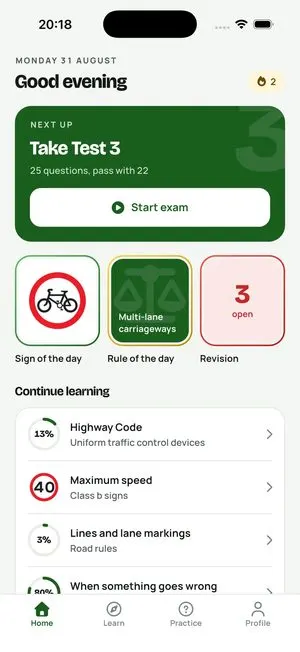
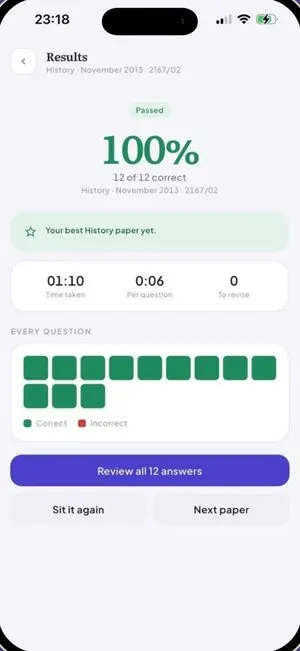
  • Every question of this year's papers, with the reason each answer is right
  • A readiness score that moves as you sit papers, so you know when to book
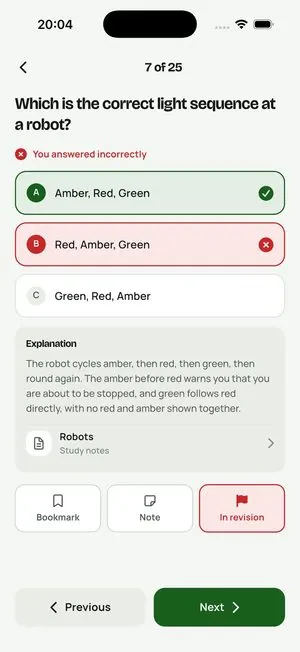
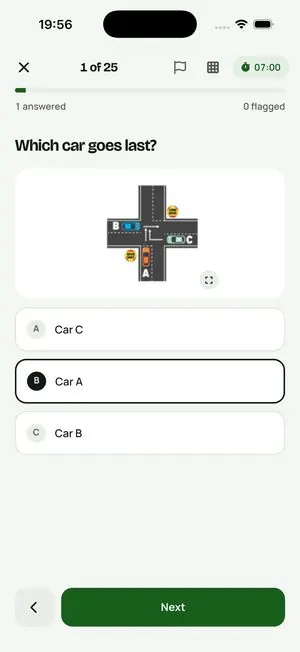
Provisional app: a timed test question asking which car at a junction goes last
Danho app iconDanhoZIMSEC O and A Level past papers

Every ZIMSEC past paper, offline, on your phone.

  • Works fully offline once a subject is downloaded
  • Progress tracked paper by paper, not just a percentage
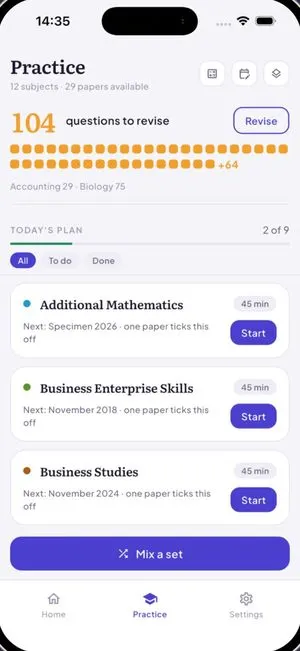
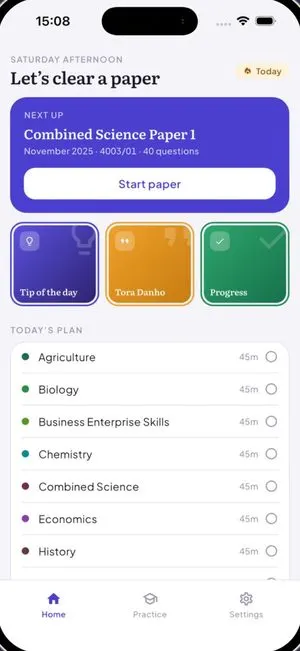
Danho app: today's revision plan, with the questions left to revise and a paper to start per subject
Bhaibheri app iconBhaibheriThe Shona Bible and its hymnals

The Shona Bible. Every hymn your church sings. Free.

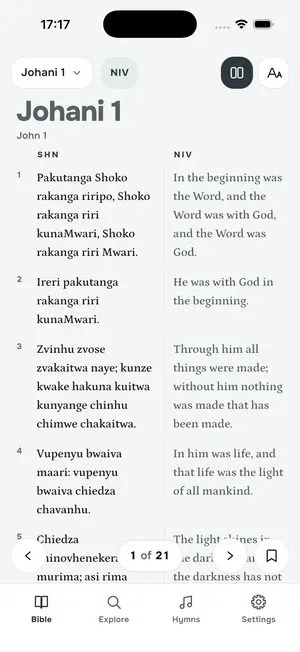
  • Two versions side by side, verse for verse
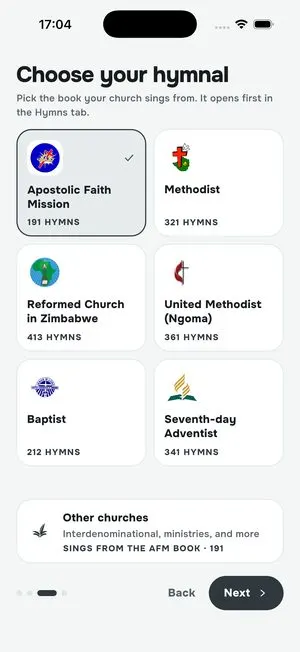
  • AFM, Methodist, RCZ, UMC, Baptist and SDA hymnals
Bhaibheri app: choosing a church hymnal, from Apostolic Faith Mission to Seventh-day Adventist
Denhe app iconDenheZimbabwe's public record

The record of what Zimbabwe publishes.

  • Take-home pay, ZESA units and mobile money charges worked out
  • Every school, university and bank, a page each
Denhe: the PAYE calculator working out take-home pay from a monthly salary

Share this mutupo

Every share carries the Kwaunobva mark and a link back.