Kwaunobva
Mitupo

Shava Museyamwa

Shava · Eland

Shava Museyamwa is a Shona clan of the Shava totem, the eland, and its people are known as VaHera. Men are greeted as Museyamwa, Chidavarume, Mhofu and Mhofu yemukono, and women as Ashava, VaHera or Chihera. The detembo adds Ziwewera, Mutekedza, Nhuka and Mhukahuru.

Mazita okurumbidza
DzinzaShava
VarumeMuseyamwa · Chidavarume · Mhofu · Mhofu yemukono
VakadziAshava · VaHera · Chihera · Achihera

Detembo raShava Museyamwa.

Maita Shava, Mhofu yomukono, Ziwewera, VokwaMutekedza, vakatekedzana paJanga,

Vakapihwa vakadzi munyika yavaNjanja. Maita nhuka, Shava yangu yiyi, Hekani Mutekedza, vari uHera Mukonde,

Zvaitwa Mhukahuru, vemiswe inochenga miviri, Zienda netyaka, mutunhu une mago, Vanovangira vashura vhu, kutsivira mutumbi,

Chidavarume, vanovhimwa navanonyanga, Vakakamonera vakadzi dzenhema, Vanomonera vakadzi dzamangondi,

Vanochemera wavatanga, Vanemisodzi isodonha pasi, Kuti yadonha yoda nhevedzo yaro romunhu ropa.

Tinotenda vari Matenhere, Vari pazvikomo zveMbwenya. Maita veTsambo chena, Mhofu yomukono,

Kuyambuka rwizi mvura yakwira makomo. Totenda voMuchimbare, veGuruuswa, Vanenzanga chena kunge mwedzi wejenachena,

Maita Museyamwa, Nhuka yangu yiyi, Kuziva zvenyu vaShava Mukonde, vari Gombe. Zvaonekwa vahombarume, zvaitwa Mbiru,

Aiwa, zvaonekwa Sarirambi, zvaitwa Nyashanu.

Govera

Govera mutupo wako.

Your mutupo and its detembo as an image for WhatsApp, your status or a post, carrying the Kwaunobva mark.

Mutupo uyu.

The Museyamwa detembo is a long one, and it begins with people. It greets the clan as those of Mutekedza who followed one another at Janga (vakatekedzana paJanga, a play on the name Mutekedza), says they were given wives in the country of the Njanja, and places them among the Hera (vari uHera Mukonde). Later it names Muchimbare and Guruuswa, which Duramazwi describes as the country in the east from which the first Shona people are said to have come, and it ends on Gombe, Mbiru, Sarirambi and Nyashanu.

Between those names it draws the eland: Mhukahuru, the great beast, whose tails tend their bodies, and Ziwewera and Zienda netyaka, names Duramazwi explains as the eland's handsome gait. It praises a people who cross a river when the water has risen over the hills. It also says the clan's tears never reach the ground, because a tear that fell would call for human blood to follow it, and the poem closes by thanking them as great hunters (vahombarume).

Those who carry a totem do not eat its animal. Some families keep away from one part of it only, such as the heart, and the old belief holds that a person who breaks the rule loses their teeth.

The praise names are for every day, not only for ceremonies: a person is greeted by them, thanked with them, and a wife praises her husband with his.

NeChiShona

Shava Museyamwa mutupo weShava, mhofu, uye vanhu vacho vanonzi VaHera. Varume vanokudzwa seMuseyamwa, Chidavarume naMhofu yemukono, vakadzi seAshava, VaHera naChihera. Detembo ravo rinovati vokwaMutekedza vakatekedzana paJanga, vakapihwa vakadzi munyika yavaNjanja. Rinoti misodzi yavo haidonhi pasi, nokuti ikadonha inoda ropa romunhu. Rinopera richivatenda sevahombarume.

Nhoroondo

Duramazwi, a Shona dictionary, gives Museyamwa as the praise name of the Shava of Nyashanu and calls a person of this clan a muHera. It says many VaHera are found at Nyashanu in Buhera, and that Mutekedza is the name of a chief, from which the Mutekedza area of the Shava Museyamwa takes its name. The Wikipedia article on the Shona lists Musiyamwa beside Mhofu and Mhofu Yemukono as names of the eland totem. C. R. Musiwa's collection Mutinhimira weDetembo, first published in 1965, opens with the Museyamwa praise, one of the clan praises he says he gathered himself.

Duramazwi reChiShona (monolingual Shona dictionary); Shona people (Wikipedia print), p. 3; Mutinhimira weDetembo (sample), p. 2; Mutinhimira weDetembo (sample), p. 3; Mutinhimira weDetembo (sample), p. 7

Mibvunzo.

Is Museyamwa the same as Musiyamwa?

Yes, they are two spellings of one name. The Wikipedia article on the Shona writes Musiyamwa and lists it with Mhofu and Mhofu Yemukono as names of the eland totem; the Mitupo collection and Duramazwi write Museyamwa.

Who are the VaHera?

Duramazwi calls a person of the Shava Museyamwa clan a muHera, and describes the VaHera as people of the Shava totem, many of them found at Nyashanu in Buhera. The detembo itself greets the clan as vari uHera Mukonde.

What does the Museyamwa detembo say about tears?

It says the clan's tears never fall to the ground, because a tear that fell would call for human blood to follow it. C. R. Musiwa's 1965 collection of praise poetry carries the same lines.

Where is Shava Museyamwa commonly found?

In Buhera and Chikomba, though families carrying it live all over Zimbabwe and beyond.

Can two people of the Shava totem marry?

Traditionally, people of the same mutupo and chidawo do not marry: they are counted as one family. Between different Shava clans some families allow it, often after a ceremony that cuts the kinship (kucheka ukama).

Mutupo wako

Sarudza mutupo wako.

Pick your totem and clan once. The app greets you by your praise name after that.

Apps from the team behind Kwaunobva

Made in Zimbabwe by Invalcre (Pvt) Limited. Free, and they work offline.

Provisional Test Zimbabwe app iconProvisional Test ZimbabweZimbabwe VID test and Highway Code
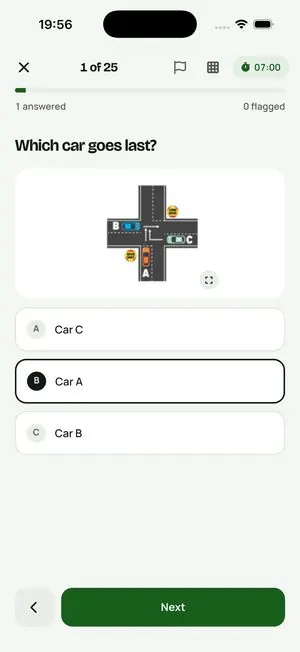

Pass your Zimbabwe provisional driving test.

  • Every question of this year's papers, with the reason each answer is right
  • A readiness score that moves as you sit papers, so you know when to book
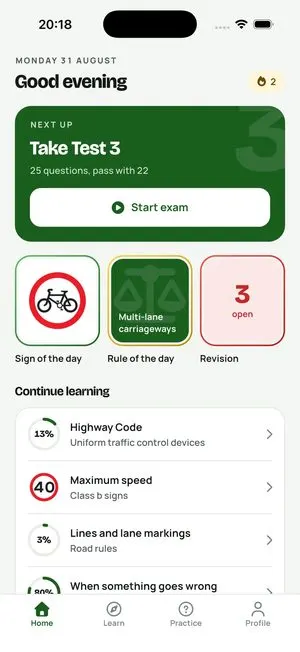
Provisional app: a timed test question asking which car at a junction goes last
Danho app iconDanhoZIMSEC O and A Level past papers

Every ZIMSEC past paper, offline, on your phone.

  • Works fully offline once a subject is downloaded
  • Progress tracked paper by paper, not just a percentage
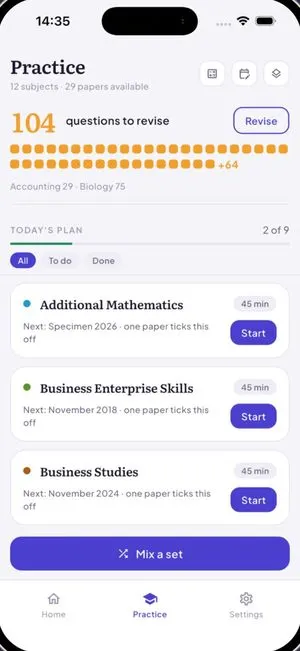
Danho app: today's revision plan, with the questions left to revise and a paper to start per subject
Bhaibheri app iconBhaibheriThe Shona Bible and its hymnals

The Shona Bible. Every hymn your church sings. Free.

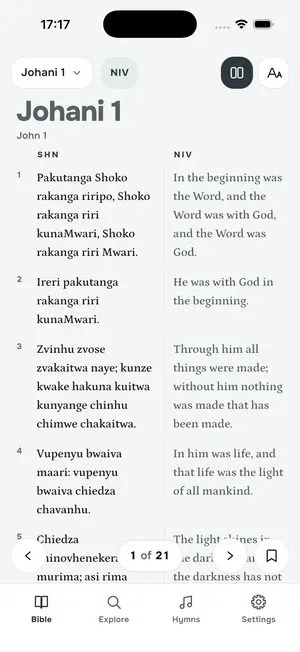
  • Two versions side by side, verse for verse
  • AFM, Methodist, RCZ, UMC, Baptist and SDA hymnals
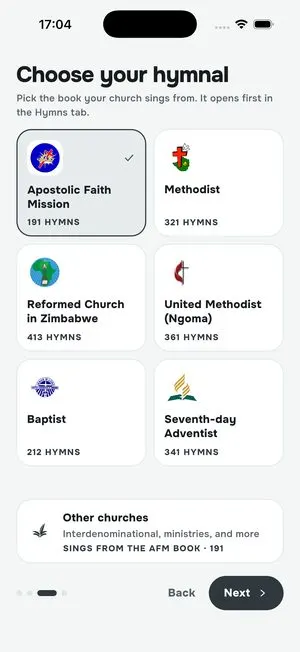
Bhaibheri app: choosing a church hymnal, from Apostolic Faith Mission to Seventh-day Adventist
Denhe app iconDenheZimbabwe's public record

The record of what Zimbabwe publishes.

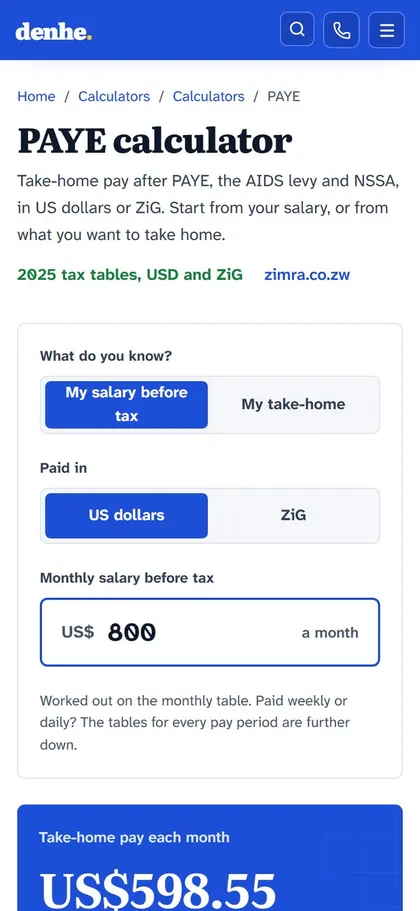
  • Take-home pay, ZESA units and mobile money charges worked out
  • Every school, university and bank, a page each
Denhe: the PAYE calculator working out take-home pay from a monthly salary

Share this mutupo

Every share carries the Kwaunobva mark and a link back.