Kwaunobva
Mitupo

Mhara Chikonamombe

Mhara · Impala

Mhara Chikonamombe is a Shona clan of the Mhara totem, the impala. Its men are greeted as Chikonamombe and Mbuya, and its women as AMaromo. The detembo also praises the clan as Gusho, Mashayamombe and Dzangare, and calls its people the children of Maromo, the Dzete people who came out of Renje.

Mazita okurumbidza
DzinzaMbuya
VarumeChikonamombe
VakadziAMaromo · Mapara

Detembo raMhara Chikonamombe.

Maita Mbuya, Maita vari Gombwe, Kuziva zvenyu vari Rare.

Hekani vaDzete vakabuda muRenje, Vachiuyawo kuzotitsvagawo VaMaromo. Zvaitwa vari Zvihota,

Vana vaMaromo, Gusho rangu riri. Maita zvenyu Mhara,

Chikonamombe, Mashayamombe, Manyuka angu yaya,

Makanyaya churu namate chikave murove. Maita vari Gangarahwe Mukonde, Kune Mhara inobhururuka,

Yakaera kutsika pasi kana yomhanya. Kuziva zvenyu Mhara yangu yiyi, Makanga musorwara mhezi

Makatozozadzwa mhezi navaranda, Mazviita zvenyu vokwaSadzadete, Gobvu rinokonza chitsa,

Dzangare, Vauyauya vakabva Renje. Maita vaMaromo, Chigumbu chino unye.

Chinotodenhwa huri usiku Kuchidenha masikati chinovava. Maita variZvihota, chikomo chakaumbwa nevhu,

Chisina kana nakatombo zvako pamusoro, Chinowakwapo chisipiti chete kunge nhova yomucheche Aiwa Zvaonekwa Gusho,

Zvaitwa Mbuya, Chikonamombe.

Govera

Govera mutupo wako.

Your mutupo and its detembo as an image for WhatsApp, your status or a post, carrying the Kwaunobva mark.

Mutupo uyu.

The detembo greets the clan as Mbuya and Gusho, at Gombwe, Rare and Zvihota, and calls them the children of Maromo. It says the Dzete people came out of Renje seeking those of Maromo, and praises the clan as Mhara, Chikonamombe, Mashayamombe, Dzangare and those of Sadzadete.

It speaks of a mhara that flies, one that keeps from treading on the ground as it runs (yakaera kutsika pasi kana yomhanya), and of Zvihota, a hill built of earth with not so much as a small stone on top. It closes on Gusho and on Mbuya Chikonamombe.

The Mitupo collection prints a second Mhara Mbuya Chikonamombe detembo. It says the clan never changed its totem (vasingashandure mutupo), calls it one blood with Maromo of Chivhu and Hwedza, and ends by thanking Mhara of Dzete.

Those who carry a totem do not eat its animal. Some families keep away from one part of it only, such as the heart, and the old belief holds that a person who breaks the rule loses their teeth.

The praise names are for every day, not only for ceremonies: a person is greeted by them, thanked with them, and a wife praises her husband with his.

NeChiShona

Mhara Chikonamombe mutupo wemhara. Varume vanokudzwa seChikonamombe naMbuya, vakadzi seAMaromo. Detembo ravo rinovadaidza kuti vana vaMaromo, uye rinoti vaDzete vakabuda muRenje. Rinovakwazisa vari Gombwe, Rare neZvihota. Rinotaura nezveMhara inobhururuka, yakaera kutsika pasi kana yomhanya.

Nhoroondo

A second Mhara detembo printed in the Mitupo collection says the clan came from Dzete, lives at Chivhu, and is of one blood with Maromo of Chivhu and Hwedza, of the Muperekwa line. It traces the clan through Mhondoro and along the Mupfure river to Chikomba, Rare and Mvuma, with some moving on to Sanyati near Kadoma, to Chegutu and to Gokwe. It praises Mashayamombe's people for refusing to pay tax or to have their land taken, and for rising in the Chimurenga.

Mitupo: A Collection of Some of Zimbabwe's Totems, p. 13; Mitupo: A Collection of Some of Zimbabwe's Totems, p. 14

Mibvunzo.

What animal is the Mhara totem?

The impala. Duramazwi reChiShona describes the mhara as a small, reddish wild animal that moves in herds. It is not the eland, which is mhofu.

What does the Mhara detembo say about Mashayamombe?

The first poem names Mashayamombe among the clan's praise names. A second Mhara poem in the Mitupo collection praises Mashayamombe's people for refusing to pay tax or to have their land taken, and for rising in the Chimurenga.

What are the Mhara Chikonamombe praise names?

Men are greeted as Chikonamombe and Mbuya, and women as AMaromo. The detembo also calls the clan Mhara, Gusho, Mashayamombe, Dzangare, the children of Maromo and those of Sadzadete.

Where is Mhara Chikonamombe commonly found?

In Mhondoro-Ngezi, Chikomba and Hwedza, though families carrying it live all over Zimbabwe and beyond.

Can two people of the Mhara totem marry?

Traditionally, people of the same mutupo and chidawo do not marry: they are counted as one family. Between different Mhara clans some families allow it, often after a ceremony that cuts the kinship (kucheka ukama).

Mutupo wako

Sarudza mutupo wako.

Pick your totem and clan once. The app greets you by your praise name after that.

Apps from the team behind Kwaunobva

Made in Zimbabwe by Invalcre (Pvt) Limited. Free, and they work offline.

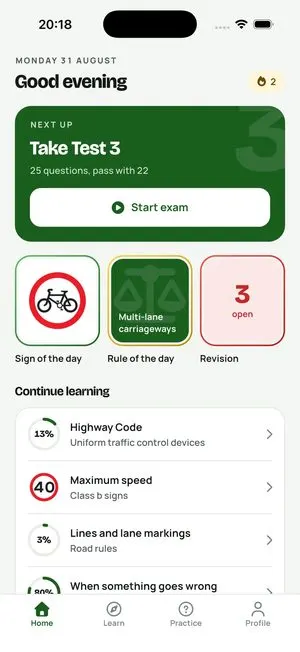
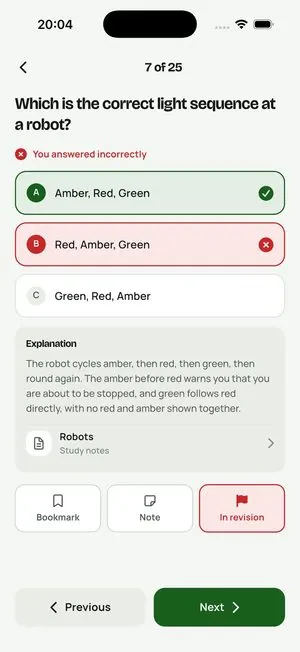
Provisional Test Zimbabwe app iconProvisional Test ZimbabweZimbabwe VID test and Highway Code

Pass your Zimbabwe provisional driving test.

  • Every question of this year's papers, with the reason each answer is right
  • A readiness score that moves as you sit papers, so you know when to book
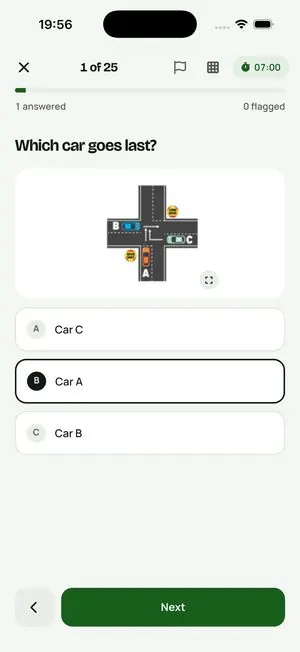
Provisional app: a timed test question asking which car at a junction goes last
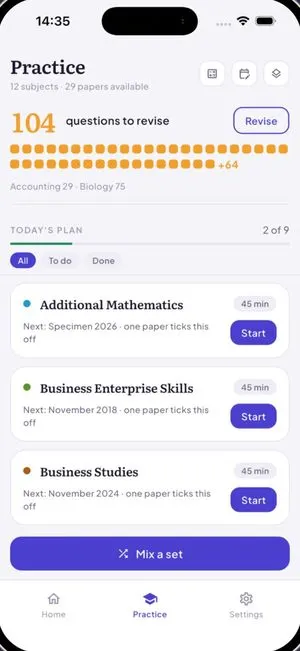
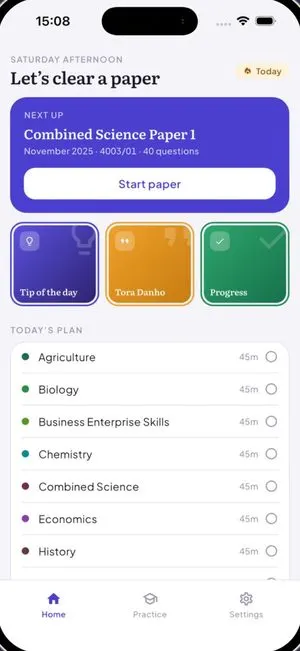
Danho app iconDanhoZIMSEC O and A Level past papers

Every ZIMSEC past paper, offline, on your phone.

  • Works fully offline once a subject is downloaded
  • Progress tracked paper by paper, not just a percentage
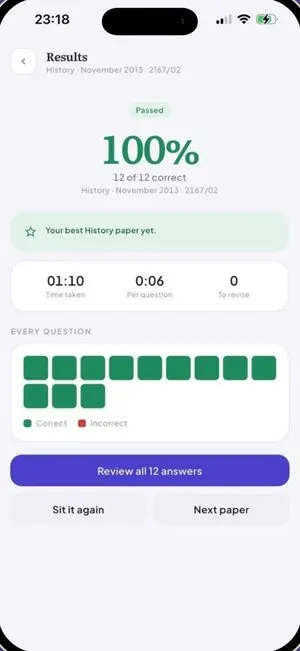
Danho app: today's revision plan, with the questions left to revise and a paper to start per subject
Bhaibheri app iconBhaibheriThe Shona Bible and its hymnals

The Shona Bible. Every hymn your church sings. Free.

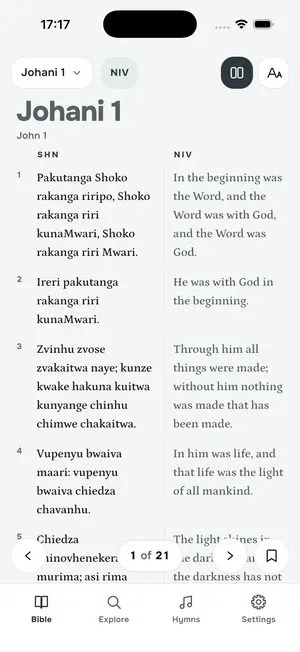
  • Two versions side by side, verse for verse
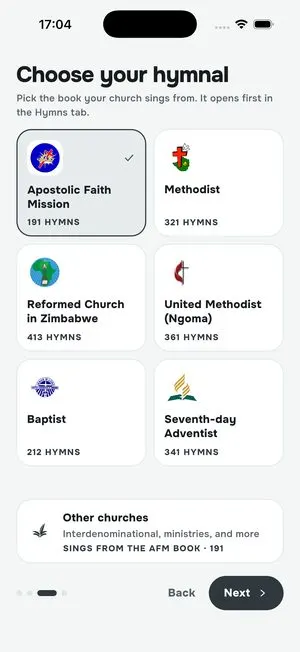
  • AFM, Methodist, RCZ, UMC, Baptist and SDA hymnals
Bhaibheri app: choosing a church hymnal, from Apostolic Faith Mission to Seventh-day Adventist
Denhe app iconDenheZimbabwe's public record

The record of what Zimbabwe publishes.

  • Take-home pay, ZESA units and mobile money charges worked out
  • Every school, university and bank, a page each
Denhe: the PAYE calculator working out take-home pay from a monthly salary

Share this mutupo

Every share carries the Kwaunobva mark and a link back.